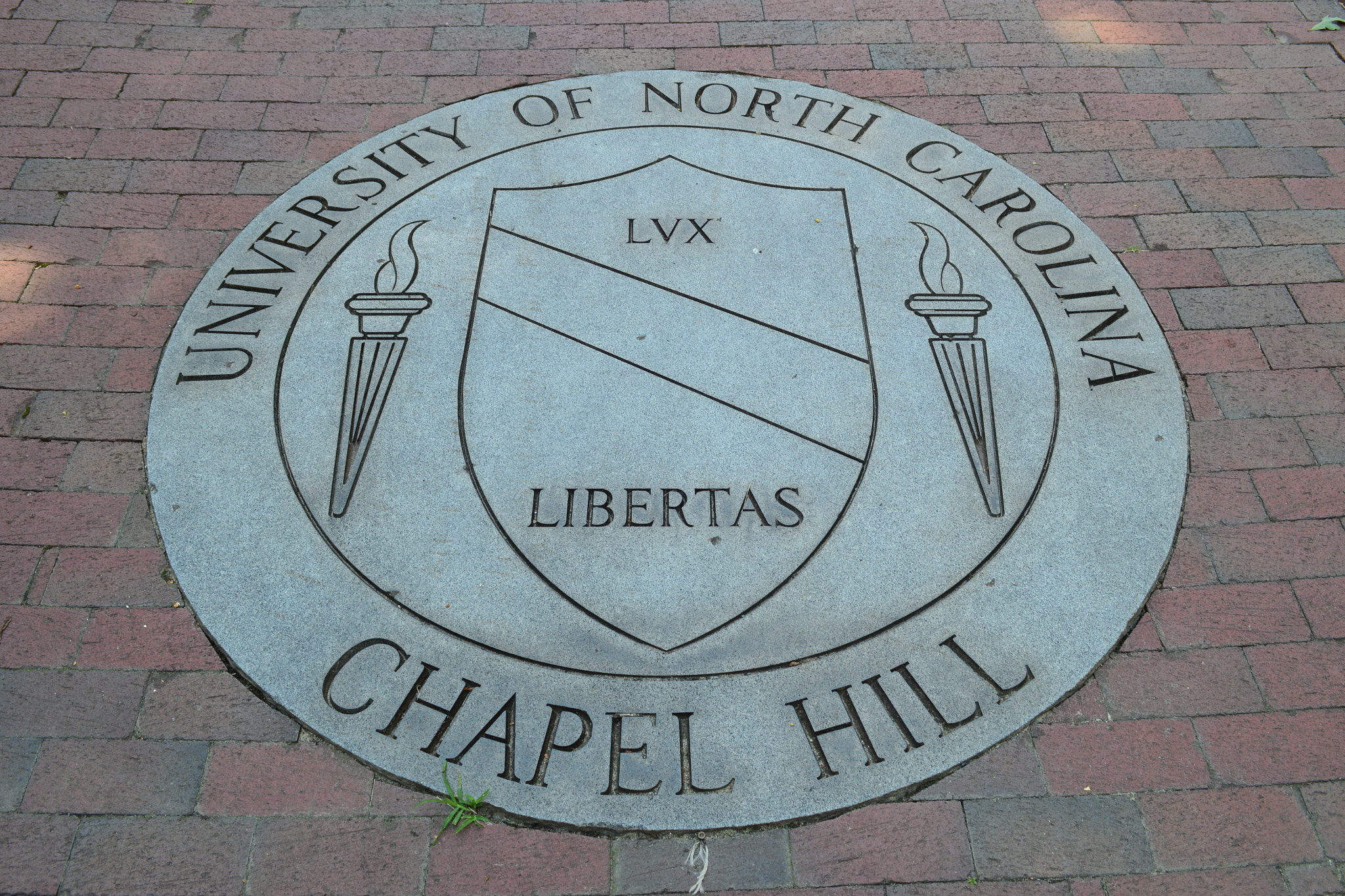
Founded in 1789, the University of North Carolina at Chapel Hill (UNC) holds the prestigious distinction of being the first public university in the United States to open its doors and graduate students. As the flagship institution of the 17-campus UNC System, it has evolved from a small provincial academy into a global powerhouse of research, healthcare, and liberal arts education.
1. Historical Foundations and “First” Status
While several universities claim the title of “first public university,” UNC Chapel Hill is the only one to have held classes and graduated students in the 18th century.
- Chartering: It was chartered by the North Carolina General Assembly in 1789.
- The First Student: Hinton James, the university’s first student, famously walked 60 miles from Wilmington to Chapel Hill to enroll in 1795.
- Growth: After closing briefly during the Reconstruction era, the university reopened in 1875 and began a trajectory of rapid expansion, admitting its first female students to postgraduate courses in 1897.
2. Academics and Global Rankings
As of 2026, UNC Chapel Hill consistently ranks among the top public universities in the United States. It is a member of the Association of American Universities (AAU) and is frequently cited as a “Public Ivy.”
Top-Tier Programs
According to the U.S. News & World Report 2026 rankings, Carolina excels in several graduate and professional fields:
- UNC Eshelman School of Pharmacy: Ranked No. 1 in the nation.
- UNC Gillings School of Global Public Health: Consistently ranked as the top public school of public health (tied for No. 2 overall).
- School of Medicine: Recognized as a Tier 1 institution for Primary Care.
- Kenan-Flagler Business School: Known for top-10 programs in Real Estate and Executive MBA tracks.
Research Prowess
UNC is a “very high research activity” (R1) university. It is a leader in biomedical research, particularly through the UNC Lineberger Comprehensive Cancer Center and its pioneering work in gene targeting, which earned faculty member Oliver Smithies the Nobel Prize in Medicine in 2007.
3. Campus Life and “Tar Heel” Traditions
The spirit of Carolina is deeply embedded in its traditions, many of which center around the scenic “North Campus.”
- The Old Well: The university’s most iconic landmark. Legend says that a drink from the well on the first day of classes guarantees a 4.0 GPA.
- The Davie Poplar: A massive tulip poplar tree named after founder William Richardson Davie. Myth holds that as long as the tree stands, the university will flourish.
- Rameses: The official mascot is a Dorset ram. The tradition began in 1924 when the head cheerleader suggested a ram as a symbol of toughness.
- Athletics: A founding member of the ACC, UNC is a perennial powerhouse in college athletics, most notably in Men’s Basketball (with 6 NCAA championships) and Women’s Soccer (with 21 NCAA championships).
4. Notable Alumni
The “Tar Heel” network includes pioneers in politics, sports, and science:
- Michael Jordan: Widely considered the greatest basketball player of all time.
- James K. Polk: The 11th President of the United States.
- Francis Collins: Former Director of the National Institutes of Health (NIH) who led the Human Genome Project.
- Sallie Krawcheck: CEO and Co-founder of Ellevest and former head of Merrill Lynch.
- Andy Griffith: Legendary actor and icon of American television.
5. Value and Impact
For 21 consecutive years, UNC Chapel Hill has been ranked as the No. 1 Best Value Public University by various national publications. The university maintains a “fixed tuition” program for North Carolina residents, ensuring that a world-class education remains accessible to the public it was founded to serve.
Source: University of North Carolina at Chapel Hill (unc.edu), NCpedia, U.S. News & World Report 2026 Graduate Rankings.